Year
2025
Project Title
Building Joyful Futures! A pleasure-Centric Initiative for young Zimbabweans
Funding Partner
Amplify Change
Project Objectives
(i) To empower 100 young peer educators in pleasure-based sexual & reproductive health and advocacy through inclusive leadership training.
(ii) To increase participation in connecting and community-building activities related to pleasure-based sexual and reproductive health through youth engagement.
(iii) To increase CSOs' capacity in pleasure-based sexual and reproductive health.
(iv) To increase linking, learning, and sharing opportunities towards comprehensive pleasure-based sexual and reproductive health education.
Team Building
Stronger together, learning together.
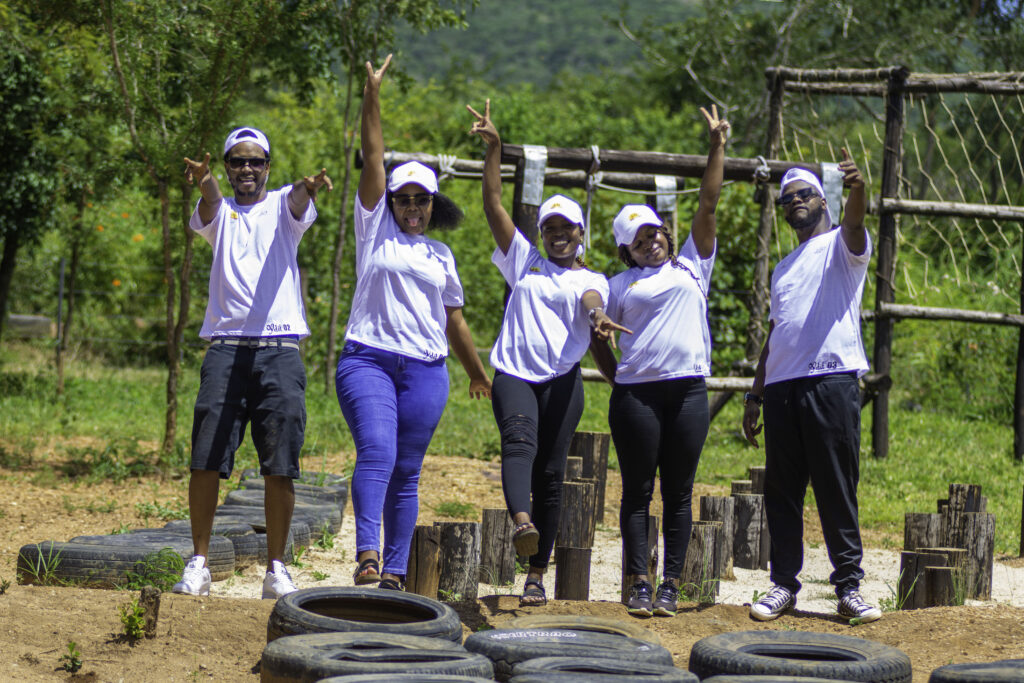
Our team came together for an immersive experience filled with learning, reflection, and connection. Through insightful discussions on pleasure-based sexual and reproductive health and rights, interactive activities like the Spider Web challenge, go-kart riding, and role plays, we explored how openness, knowledge, and collaboration strengthen the work we do.
Each reflection circle and team dialogue created space for honest conversations, shared perspectives, and deeper understanding. Moments like these remind us that building a strong team is just as important as the mission itself. As we continue working on Building Joyful Futures, we carry forward the lessons, energy, and commitment to creating inclusive, rights-based approaches to sexual health education.
Together, we learn. Together, we grow. Together, we keep building joyful futures
Inception Meeting
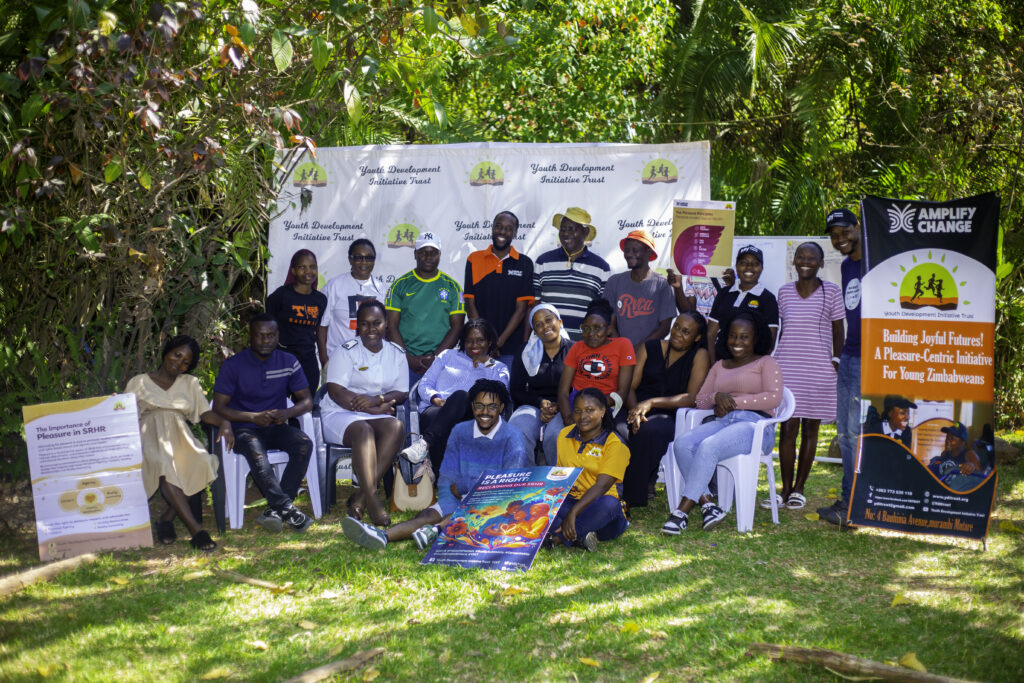
The Building Joyful Futures! A Pleasure-Centric Initiative for Young Zimbabweans, implemented by YDIT with support from Amplify Change, officially commenced with an Inception Meeting. Facilitated by Pleasure-Based Sexual Education (PBSE) Consultant Nyasha Dick, the meeting brought together 20 representatives from government institutions, civil society organizations, youth-led organizations, disability rights groups, LGBTQI+ organizations, health partners, media, and YDIT leadership to launch a shared vision for transforming sexual and reproductive health education in Zimbabwe.
The inception meeting marked the beginning of a project that seeks to reimagine how young people experience and learn about sexual and reproductive health. Rather than focusing solely on preventing risks such as HIV, sexually transmitted infections, and unintended pregnancies, the Building Joyful Futures initiative promotes Pleasure-Based Sexual Education (PBSE)—an approach that places joy, dignity, consent, bodily autonomy, healthy relationships, safety, and informed choice at the centre of youth sexual and reproductive health programming. Grounded in the values of Ubuntu (Hunhu) and evidence-based practice, PBSE encourages open, respectful, and culturally responsive conversations that empower young people while respecting community values.
A consultant-led presentation, titled "Introducing PBSE—Rudo, Hunhu, and NeHutano," addressed common misconceptions surrounding Pleasure-Based Sexual Education, emphasizing that PBSE is not pornography, not an encouragement of early sexual activity, and not in conflict with faith or culture. Instead, participants learned how the framework is built upon four interconnected pillars:Knowledge, Consent and Agency, Satisfaction and Joy, and Safety. Discussions further examined how these principles can complement Zimbabwe's cultural traditions, religious beliefs, and existing sexual and reproductive health initiatives.
The inception meeting also generated valuable recommendations for the project's implementation, including strengthening engagement with religious and traditional leaders, increasing youth participation in decision-making, developing mentorship opportunities for young advocates, building partnerships with media organisations to normalize positive conversations around sexual health, and creating robust monitoring and evaluation tools that measure not only traditional health outcomes but also indicators such as consent, agency, confidence, well-being, and dignity.
By bringing together a diverse coalition of partners at the very beginning of the project, the Building Joyful Futures initiative established a strong foundation for collective action. The meeting successfully fostered shared understanding, built stakeholder ownership, and laid the groundwork for integrating Pleasure-Based Sexual Education into policies, programs, and community spaces across Zimbabwe. It signaled the start of a collaborative movement committed to ensuring that every young person can access accurate information, exercise informed choice, build healthy relationships, and enjoy their sexual and reproductive health and rights with dignity, respect, and confidence.
Joint meeting
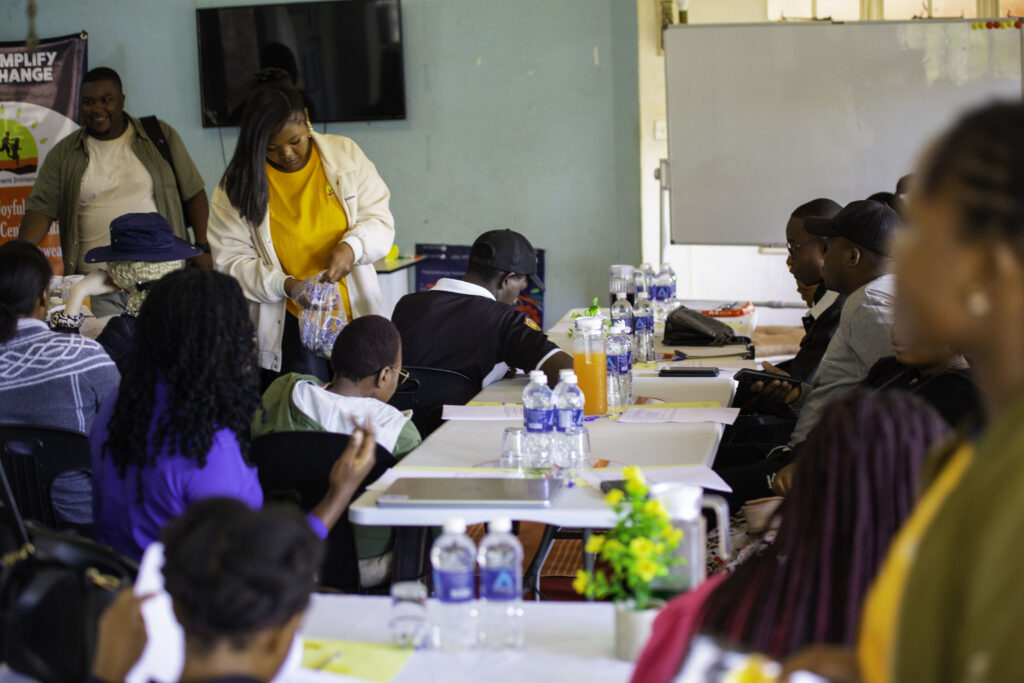
YDIT convened a Joint Stakeholder Meeting in Murambi, Mutare bringing together a consultant, civil society organizations, government representatives, youth networks, board members, and YDIT staff to strengthen collaboration and coordinate the implementation of the ‘Building Joyful Futures! A Pleasure-Centric Initiative for Young Zimbabweans’project.
The meeting provided an important opportunity for partners to align around the project's vision, clarify implementation roles, and establish collaborative mechanisms that will drive the successful integration of Pleasure-Based Sexual Education (PBSE) into youth sexual and reproductive health programming across Zimbabwe.
The meeting focused on presenting the project's thematic priorities, expected outcomes, and implementation framework while encouraging meaningful dialogue among stakeholders from diverse sectors. Participants explored the complementary roles of civil society organizations, government institutions, youth-led organizations, Parliament representatives, consultants, and community actors in promoting a more inclusive and youth-responsive approach to sexual and reproductive health education.
Throughout the meeting, misconceptions surrounding Pleasure-Based Sexual Education were openly addressed. The facilitator explained that PBSE is founded on the principles of consent, dignity, bodily autonomy, healthy relationships, safety, and Indigenous knowledge systems, demonstrating that the approach complements broader efforts to improve young people's well-being rather than replacing existing sexual and reproductive health programs. These conversations helped build a shared understanding of PBSE while encouraging respectful engagement with cultural, community, and institutional perspectives.
Interactive discussions enabled participants to identify practical opportunities for integrating PBSE into schools, health facilities, faith communities, youth platforms, community programs, and policy processes. Stakeholders also reflected on lived experiences shared by young people, reinforcing the importance of creating safe, inclusive spaces where sexuality, relationships, consent, and well-being can be discussed openly and responsibly.The meeting concluded with stakeholders reaffirming their commitment to advancing the project's objectives through joint advocacy, evidence generation, capacity building, and community engagement. Participants agreed to support future workshops, pilot initiatives, and collaborative learning platforms that will strengthen the implementation of Pleasure-Based Sexual Education while ensuring young people remain at the centre of programme design and decision-making.
While participants expressed strong support for the project's direction, discussions also highlighted the importance of continued orientation on PBSE concepts, particularly for stakeholders unfamiliar with pleasure-centered approaches to sexual and reproductive health. Additional recommendations included strengthening engagement with religious and traditional leaders, expanding mentorship opportunities for youth advocates, collaborating with social media influencers to increase public awareness, training peer educators on inclusive facilitation methods, documenting lessons learned through storytelling and knowledge products, and mobilizing sustainable partnerships to support long-term implementation.
The Joint Stakeholder Meeting reinforced the value of collaboration in advancing innovative approaches to youth sexual and reproductive health. By bringing together diverse voices to exchange ideas, build consensus, and identify practical implementation pathways, the meeting strengthened partnerships and established a shared commitment to ensuring that Zimbabwe's young people have access to comprehensive, inclusive, and dignity-centered sexual and reproductive health education.
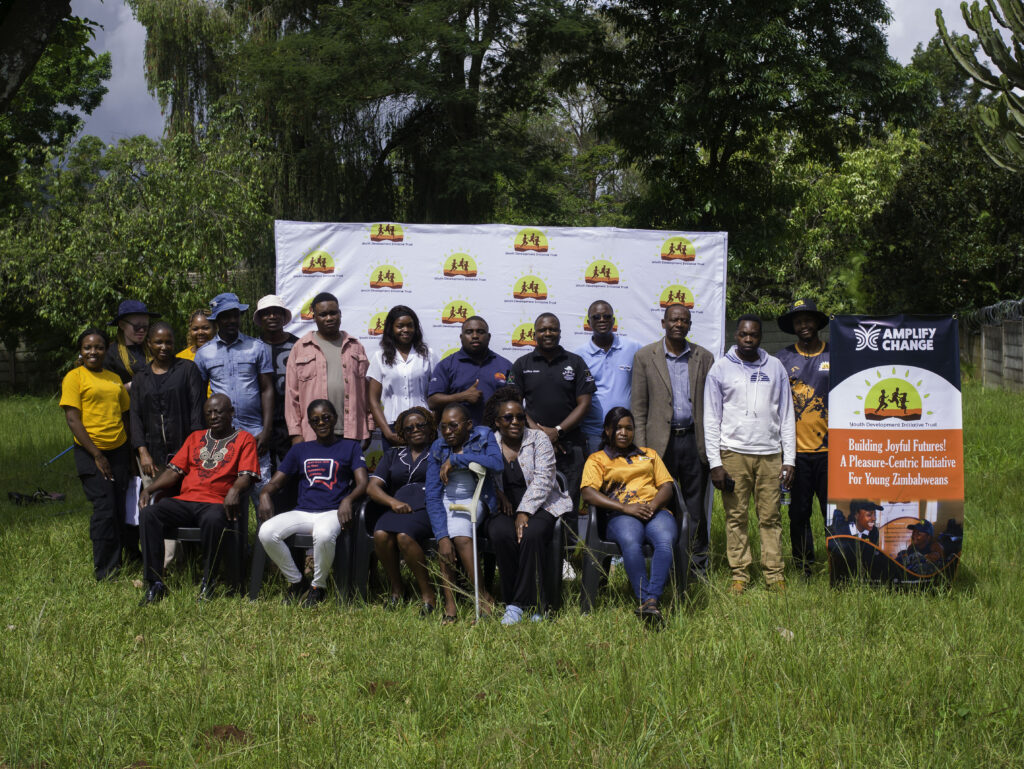
Monitoring & Evaluation Framework Development Workshop
YDIT conducted a Monitoring & Evaluation (M&E) Framework Development Workshop to strengthen how the *Building Joyful Futures!* project will track its progress and impact over the next 24 months. The workshop followed a prior stakeholder inception meeting and brought together government institutions, civil society organizations, youth groups, and community partners.
During the workshop, participants worked together to define success indicators, agree on data collection tools, set reporting timelines, and identify possible risks and solutions. Tools such as surveys, focus group discussions, attendance records, and social media analytics were selected to measure project outcomes.Key risks such as low youth participation, community resistance, and data quality challenges were discussed, and practical mitigation strategies were developed.
The workshop marked an important step in ensuring transparency, accountability, and effective learning throughout the implementation of the *Building Joyful Futures!* project.Through initiatives like this, YDIT continues to promote youth-centered, dignity-affirming sexual and reproductive health education across Zimbabwe
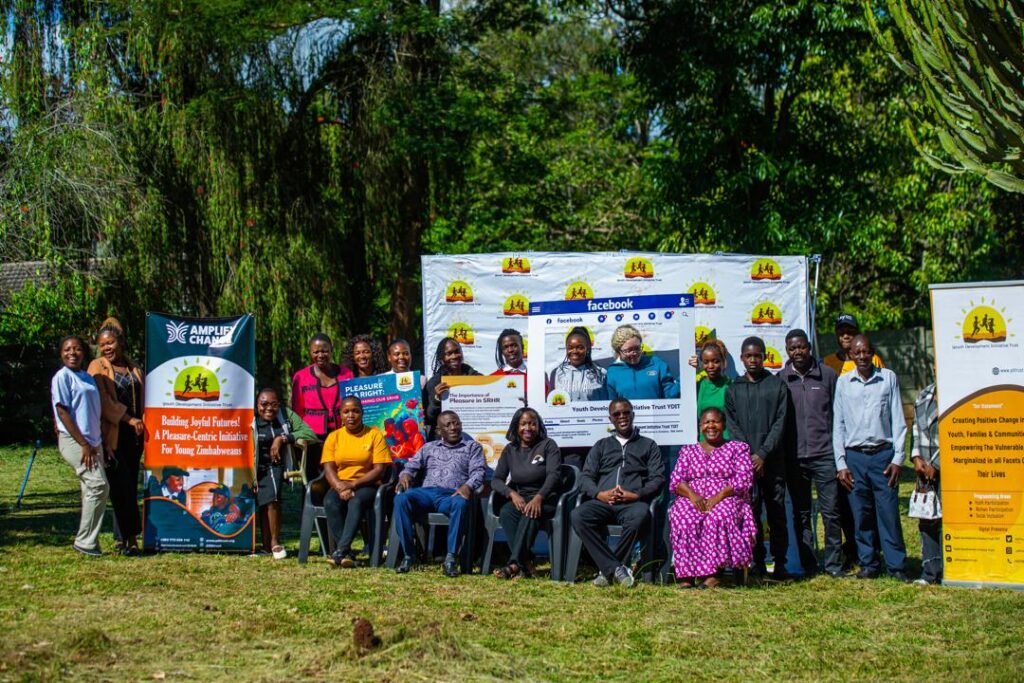
Peer Comprehensive Pleasure-Based Education & Peer Educator Advocacy Training Workshop
YDIT successfully convened two intensive workshops under the Building Joyful Futures! A Pleasure-Centric Initiative for Young Zimbabweans project, aimed at transforming Sexual and Reproductive Health and Rights (SRHR) programming through youth-led advocacy.
Grounded in the Rudo, Hunhu, neHutano (Love, Dignity, and Health) framework, the workshops emphasized Ubuntu values, dignity, and empowerment, positioning pleasure as a key component of safer and healthier sexual practices. The sessions equipped young people with knowledge and facilitation skills in Pleasure-Based Sexual Education (PBSE) while strengthening their ability to engage policymakers, civil society organizations, and communities.
A total of 40 youths aged 18–35 from diverse communities in Mutare participated across the two days. The workshops were also livestreamed on Facebook, expanding reach to a wider audience and increasing engagement with young people interested in innovative SRHR approaches.During the sessions, participants explored PBSE foundations through interactive activities such as body mapping, roleplays, and advocacy simulations. Youths also learned modern facilitation models and used digital tools to design advocacy strategies that promote condoms and lubricants as tools of pleasure, empowerment, and safety.
As a result of the workshops, participants reported increased confidence to deliver PBSE in their communities and developed culturally sensitive strategies to address resistance around SRHR discussions. The initiative also strengthened youth-led advocacy networks across Mutare, laying a strong foundation for sustained community engagement.
Despite challenges related to cultural and religious resistance, the workshops demonstrated the power of youth-centered, culturally grounded approaches to SRHR education. By centering love, dignity, and health, young advocates are now better equipped to challenge stigma, promote safer practices, and build joyful futures for their communities.
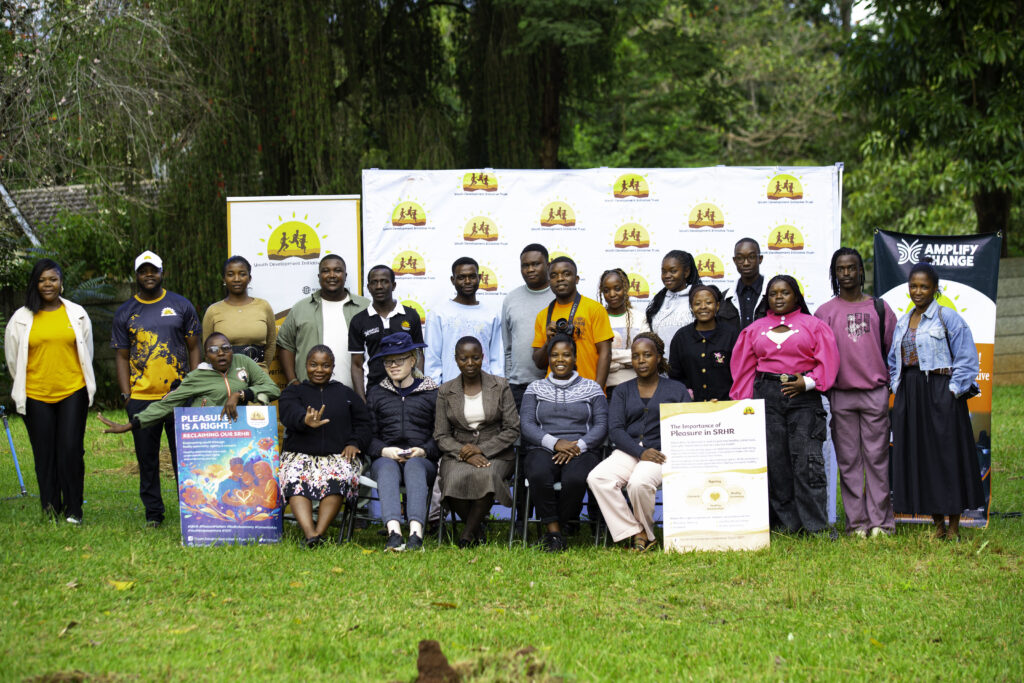
Capacity Building Workshop
YDIT successfully convened a Capacity Building Workshop aimed at strengthening Civil Society Organizations’ (CSOs) understanding and integration of pleasure-based Sexual and Reproductive Health and Rights (SRHR) principles in Zimbabwe. The workshop brought together diverse CSOs, advocacy groups, consultants, and stakeholders committed to advancing inclusive, rights-based SRHR programming.
The initiative responded to the growing need to move beyond traditional risk-focused approaches to SRHR by promoting dignity, consent, pleasure, and holistic wellbeing within programming, advocacy, and service delivery.
Through presentations, panel discussions, group work, and knowledge-sharing sessions, participants explored global and local perspectives on pleasure-based SRHR and developed practical strategies for integrating these principles into their organizational work.
Key outcomes of the workshop included:
• Increased awareness and understanding of pleasure-based SRHR approaches among CSOs.
• Enhanced capacity to design inclusive, pleasure-centered interventions.
• Strengthened advocacy skills for influencing rights-based SRHR policies.
• Improved collaboration and networking among organizations in Manicaland and beyond.
• Development of draft organizational action plans for mainstreaming pleasure-based SRHR.
The workshop also addressed potential challenges such as cultural sensitivities, limited familiarity with pleasure-based frameworks, and resource constraints by encouraging inclusive dialogue, peer learning, and partnership-building.
This workshop marked an important milestone in advancing inclusive and empowering SRHR programming in Zimbabwe. By equipping CSOs with practical knowledge and advocacy tools, YDIT continues to strengthen the movement for young people’s rights, dignity, consent, and wellbeing.
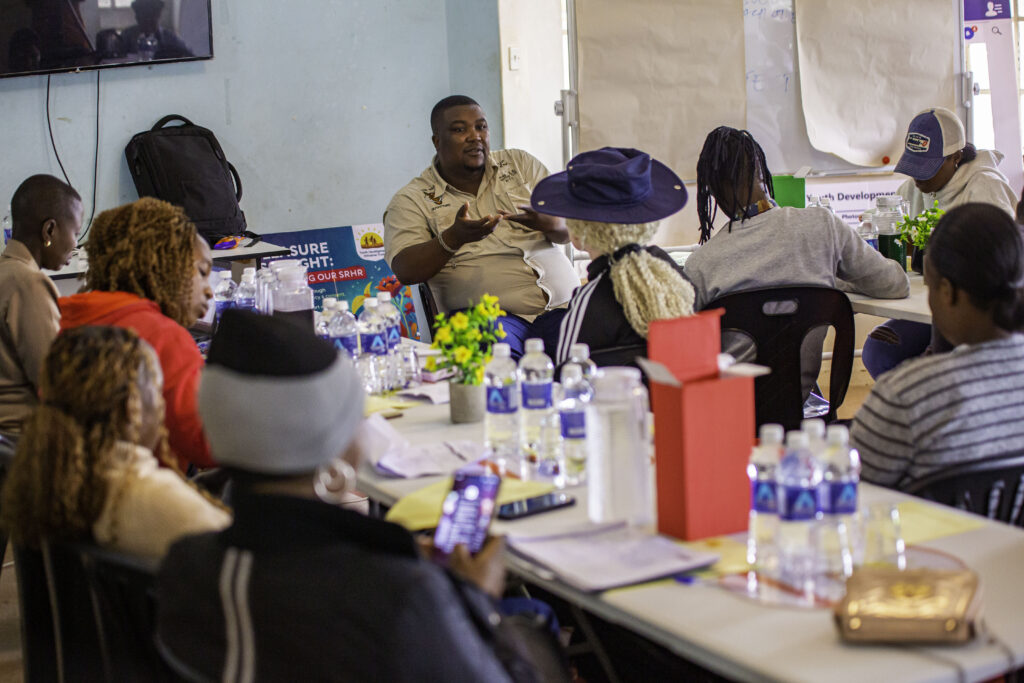
One on One Interviews
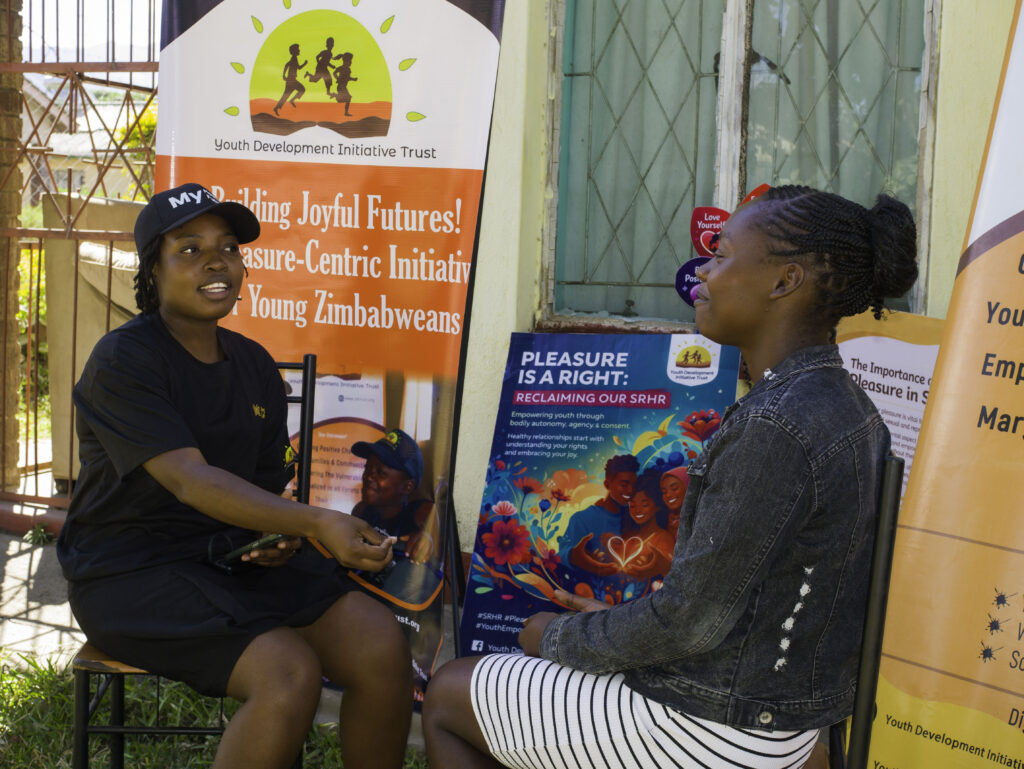
YDIT conducted a series of one-on-one interviews to gather youth perspectives on Pleasure-Based Sexual and Reproductive Health Education (PBSE).
The interviews engaged five young participants from Bernwin, Chikanga, and New Border View, creating a safe platform for open discussions around consent, pleasure, dignity, stigma reduction, and access to sexual and reproductive health services.
Using semi-structured interview guides and anonymized Kobo questionnaires, the sessions explored the lived experiences, challenges, and opportunities faced by young people in relation to PBSE. The activity forms part of the project’s broader effort to shift SRHR conversations beyond risk prevention toward well-being, informed choice, and positive health outcomes.
Insights gathered through the interviews will contribute to advocacy, training, and youth-centered program design, while strengthening the project’s evidence base for inclusive SRHR interventions in Zimbabwe.
The activity successfully achieved its objectives and reaffirmed the importance of centering authentic youth voices in shaping sexual and reproductive health programming.
Focus Group Discussions
YDIT successfully hosted a Focus Group Discussion (FGD) bringing together 20 youth and stakeholder representatives to explore Pleasure-Based Sexual and Reproductive Health Education (PBSE) in Zimbabwe.The discussion formed part of the project’s *Connecting & Community-Building* theme and aimed to generate evidence on youth perceptions, cultural attitudes, and opportunities for integrating PBSE into sexual and reproductive health programming.
Participants highlighted that conversations around sexual health remain highly stigmatized in many communities. However, framing discussions around *Rudo* (love), *Hunhu* (dignity), and *Hutano* (health) created a more open and positive environment for engagement. Youth also identified peer pressure and unequal power dynamics in relationships as key factors influencing sexual decisions.The session revealed growing community readiness for inclusive and youth-friendly SRHR programming, while emphasizing the importance of involving parents, church leaders, teachers, and other community gatekeepers in future interventions.
Pre- and post-session Kobo survey results showed measurable increases in participant comfort and confidence in discussing PBSE topics. The findings will contribute to advocacy efforts and help shape future youth-led interventions under the project.The FGD strengthened YDIT’s evidence base for inclusive SRHR programming and reaffirmed the importance of culturally sensitive, rights-based approaches that promote healthy, informed, and joyful futures for young people in Zimbabwe.
Strategic Storytellings
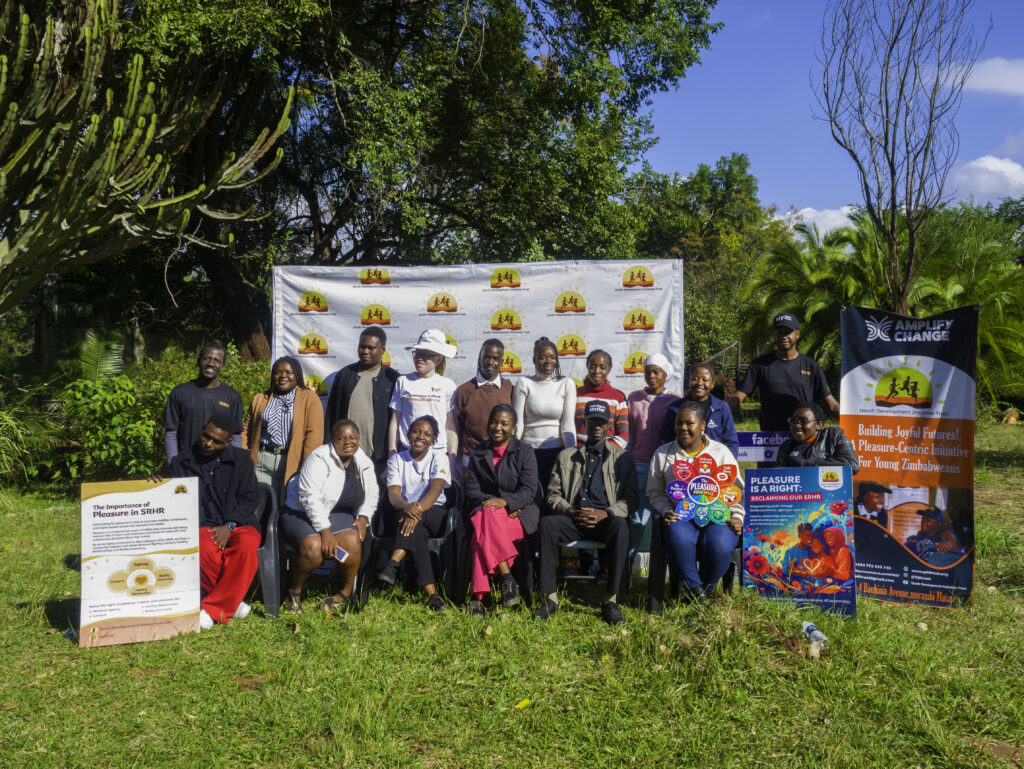
Under the ‘Building Joyful Futures Project’, Strategic Storytelling is more than collecting personal experiences,it's about creating evidence for advocacy, amplifying youth voices, and reshaping conversations around Pleasure-Based Sexual and Reproductive Health and Rights (PBSE).Three young people from Chikanga, Dangamvura, and Murambi shared their lived experiences, perspectives, and aspirations, contributing to the successful completion of the project's Period 1 milestone of documenting three strategic stories.
Each story was collected with informed consent, supported by audio recordings and field notes, and triangulated with findings from focus group discussions and interviews to ensure credibility and strengthen advocacy efforts.
Although each storyteller came from a different community and background, their narratives revealed common themes. They described PBSE as a holistic approach that extends beyond preventing risks and unwanted outcomes, emphasizing joy, dignity, consent, bodily autonomy, respect, healthy relationships, and informed decision-making. Their stories demonstrated how access to accurate, inclusive information empowers young people to engage confidently in conversations about sexuality and relationships while advocating for safer and healthier communities.
One storyteller reflected on how learning about PBSE transformed his confidence, enabling him to openly discuss sexuality and champion the integration of PBSE into schools and community dialogues. Another young woman shared how she initially misunderstood PBSE, believing it focused only on pleasure in relationships. After participating in a youth workshop, she discovered that PBSE is fundamentally about empowerment, human rights, respect, and holistic well-being. A third storyteller recalled first encountering discussions about pleasure and relationships in an informal community setting, highlighting how peer conversations often fill information gaps left by adults. She expressed that earlier guidance from parents and community leaders on pleasure, safety, and healthy relationships could have prevented misconceptions and reduced vulnerability among young people.
Across all three stories, participants observed a growing openness among youth to discuss PBSE, while also acknowledging that traditional and religious perspectives often continue to frame sexuality primarily through abstinence and morality. Rather than viewing this as a barrier, the storytellers emphasized the importance of culturally sensitive dialogue that brings together young people, parents, educators, community leaders, and policymakers to foster understanding and reduce stigma.
By centering lived experiences, the Building Joyful Futures Project is helping shape a future where every young person has the knowledge, confidence, and agency to make informed decisions about their bodies, relationships, and well-being while contributing to more inclusive sexual and reproductive health policies and programming across Zimbabwe.
Six-Month Monitoring and Evaluation Workshop
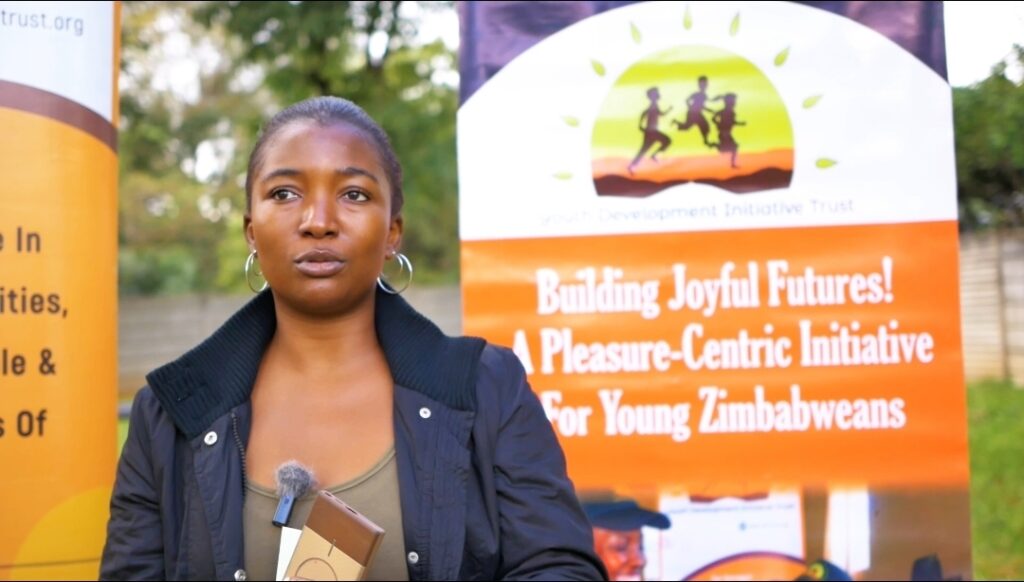
As the Building Joyful Futures! initiative reached the end of its first implementation period, YDIT convened a Six-Month Monitoring and Evaluation (M&E) Workshop. The workshop brought together project partners, civil society organisations, youth networks, development partners, and YDIT leadership to review progress, validate evidence collected during the first six months of implementation, and collectively identify priorities for the next phase of the project.The workshop served as an important reflection and learning platform, enabling stakeholders to assess how the project has contributed to advancing ‘Pleasure-Based Sexual Education’ (PBSE) and youth-centered sexual and reproductive health programming while strengthening accountability, collaboration, and evidence-based decision-making.
A key feature of the workshop was the presentation of findings by the Monitoring and Evaluation Officer, who shared progress made across several project activities conducted during Period 1. These included peer educator training, civil society capacity-building initiatives, strategic storytelling, community engagement activities, and focus group discussions that generated valuable evidence on young people's experiences, perceptions, and understanding of Pleasure-Based Sexual Education. Participants carefully reviewed the findings, validated the reported results, and confirmed that the evidence accurately reflected experiences from the communities where the project is being implemented. The workshop also created space for honest dialogue around the challenges encountered during implementation. Participants acknowledged that stigma surrounding discussions of sexuality, deeply rooted cultural beliefs, and limited intergenerational communication continue to affect young people's access to accurate and inclusive sexual and reproductive health information. Stakeholders emphasized that overcoming these barriers requires sustained community engagement, culturally responsive messaging, and stronger collaboration with parents, traditional leaders, religious leaders, educators, and other community gatekeepers.Beyond reviewing progress, organisations exchanged practical experiences and promising approaches for integrating Pleasure-Based Sexual Education into existing sexual and reproductive health programs.
Discussions highlighted the importance of grounding PBSE within the values of Ubuntu by promoting dignity, respect, compassion, love, healthy relationships, informed choice, and the overall well-being of young people. Participants reaffirmed that these principles strengthen, rather than replace, existing approaches to sexual and reproductive health education.Several important outcomes emerged from the workshop. Stakeholders reached consensus that the Period 1 monitoring and evaluation findings accurately reflected project achievements and provided a credible evidence base for advocacy and learning. Civil society organisations and youth networks renewed their commitment to integrating PBSE principles into their own programming, while stronger partnerships were reinforced between YDIT and national organisations such as NANGO and the Zimbabwe Youth Council. Participants also identified priority areas for Period 2, including strengthening learning materials and training curricula, expanding engagement to reach younger and more diverse groups of young people, supporting peer educator cascade trainings, increasing gatekeeper engagement, and documenting additional strategic stories to inform advocacy and policy dialogue.
The Six-Month Monitoring and Evaluation Workshop demonstrated that continuous learning, collaboration, and evidence generation remain central to the success of the Building Joyful Futures initiative. By bringing partners together to reflect on achievements, address challenges, and plan collectively for the future, the workshop reinforced a shared commitment to ensuring that every young person can access accurate information, exercise informed choice, and enjoy their sexual and reproductive health and rights with dignity, confidence, and respect.
Capacity-Building Workshop for Civil Society Organisations on Pleasure-Based SRHR
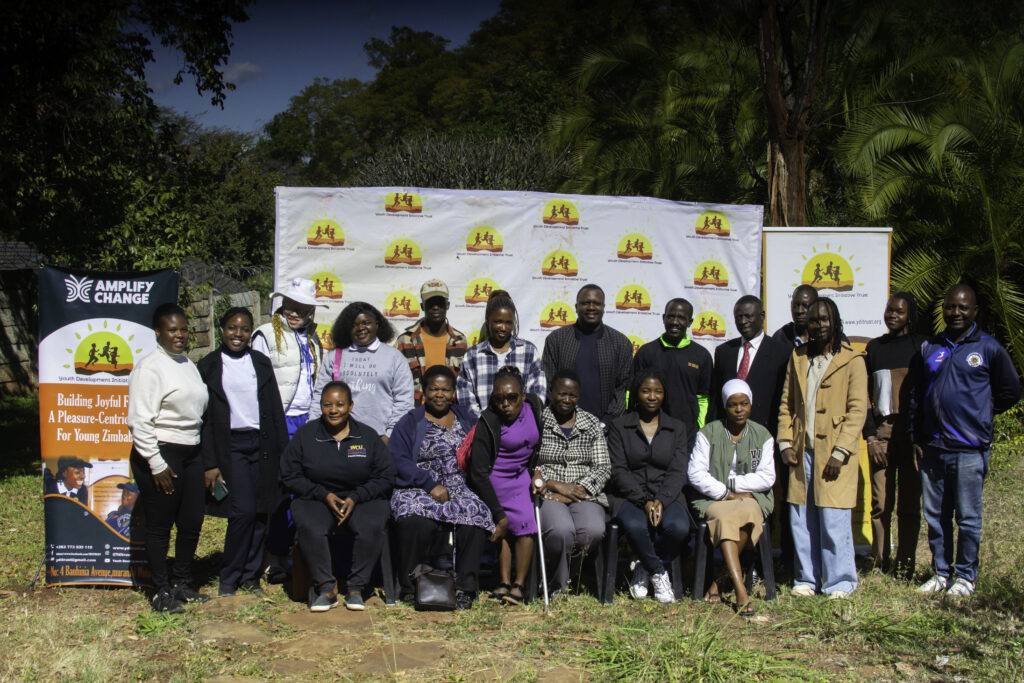
YDIT convened 30 participants from eight civil society organisations (CSOs) in Murambi, Mutare, for a one-day capacity-building workshop on pleasure-based sexual and reproductive health and rights (SRHR).Held under the Building Joyful Futures! A Pleasure-Centric Initiative for Young Zimbabweans project, with support from Amplify Change, the workshop equipped CSOs with knowledge and practical strategies to integrate pleasure-based SRHR into their programming, advocacy and service delivery.
Participants explored the four pillars of pleasure-based sexual education—knowledge, consent and agency, satisfaction and joy, and safety—while discussing how the approach can be applied within Zimbabwe’s cultural and policy context.
Through group work, the participating organisations developed action plans for mainstreaming pleasure-based SRHR. Discussions also focused on positive and non-shaming language, peer-led approaches, safeguarding, referral pathways and strategies for influencing SRHR policy.The workshop promoted inclusive participation, with 17 females and 13 males, including three persons with disabilities. The accessible venue enabled participants with disabilities to participate fully in the activity.
Together, YDIT and its partners are working to advance SRHR approaches that place pleasure, consent, dignity, safety and young people’s agency at the centre.
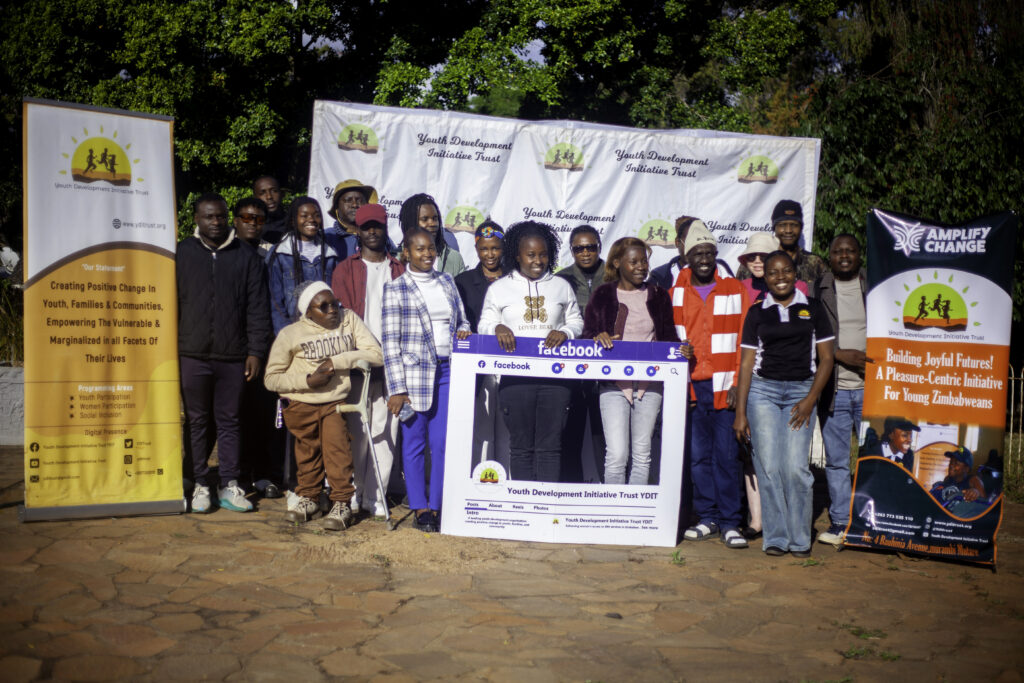
Focus Group Discussion
20 youth and stakeholder representatives came together for a Focus Group Discussion under the Building Joyful Futures! A Pleasure-Centric Initiative for Young Zimbabweans project in Murambi, Mutare.
The discussion highlighted an important reality: many young people turn to friends, social media, and search engines when they have questions about relationships and sexual health, while conversations with parents and other trusted adults can still be difficult. Participants called for more honest, non-judgmental, and youth-friendly spaces where young people can ask questions and receive accurate information.
Through role-plays, group activities, and open discussions, participants explored some of the realities young people experience in their communities, including difficulty talking about sex and relationships, peer pressure, gender expectations, misinformation on social media, consent, safety and access to trustworthy information.
Another key takeaway was the importance of peer educators. Participants expressed strong trust in trained young people who can share information in a relatable way and connect young people with youth-friendly health services when additional support is needed.
Most importantly, the conversation showed that pleasure-based sexual education becomes easier to embrace when it is grounded in safety, consent, respect, dignity and wellbeing.
These voices and experiences will help YDIT strengthen its training, advocacy, and youth-led storytelling as the Building Joyful Futures! Project continues. When young people are given space to speak, their voices can help shape better solutions for their communities.